Serving the HVAC & Commercial Building Industry in Kansas & Missouri Since 2001
Clean Air is Essential in Maintaining the Design Capacity & Efficiency of HVAC Units & Clean Indoor Air is Important for Your Health
HVAC Cottonwood Filters, Indoor Air Quality & Ventilation Solutions
Ventilation & IAQ working together make buildings healthier, more efficient & sustainable
“Airborne transmission of all infectious aerosols is significant and should be controlled. Changes to building operations, including the operation of heating, ventilating, and air-conditioning systems, can reduce airborne exposures.”
The high standard of care for people inside buildings, also makes them more efficient and sustainable.
Clean the Air First
“It is the responsibility of building owners & businesses to insure IAQ in their indoor spaces and to reduce the risk of disease transmission.“
– National Strategy for Improving Indoor Air Quality – Johns Hopkins Center for Health Security –
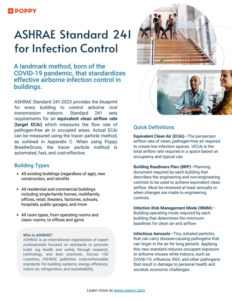
ASHRAE Standard 241 establishes minimum requirements for controlling infectious aerosols and reducing the risk of disease transmission in new and existing buildings. Included are requirements for both outdoor air system and air cleaning system design, installation, commissioning, operation, and maintenance to reduce exposure to infectious aerosols.
Improving ventilation system performance with measurement & verification from
ACH to eACH to ECAi
Air Changes/Hour to Equivalent Air Changes/Hour to Equivalent Clean Air Flow/Person
Current minimum ventilation requirements in ASHRAE Standard 62.1 are not sufficient for infectious aerosol control or mitigation. Providing higher clean air rates as required in the new ASHRAE Standard 241-2023 can significantly contribute to creating safer and healthier indoor spaces. ACH (air changes/hour) is a measure of airflow relative to the room volume, it does not take into account occupancy. It is not a meaningful value when assessing the concentration of pollutants. The new metric is ECAi (equivalent clean air flow/person) which takes into account occupancy, room volume and the concentration of pollutants.
Current minimum ventilation requirements in ASHRAE Standard 62.1 are not sufficient for infectious aerosol control or mitigation. Providing higher clean air rates as required in the new ASHRAE Standard 241-2023 can significantly contribute to creating safer and healthier indoor spaces. ACH (air changes/hour) is a measure of airflow relative to the room volume, it does not take into account occupancy. It is not a meaningful value when assessing the concentration of pollutants. The new metric is ECAi (equivalent clean air flow/person) which takes into account occupancy, room volume and the concentration of pollutants.
The Centers for Disease Control and Prevention (CDC) updated its “Ventilation in Buildings” guidelines to include a discussion on “How much ventilation is enough?” to help prevent airborne disease transmission (5 ACH is often too much or not enough).
Our Engineered Clean Air Solutions for Every Building Everywhere
We specialize in proven, safe technologies that protect people, ventilation systems & HVAC equipment by detecting, monitoring, mitigating & removing airborne debris, infectious aerosols, particles & VOC’s from the air.
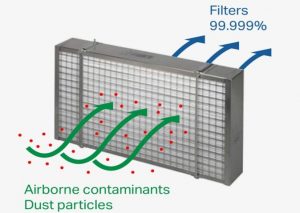
 Cottonwood Air Intake Filter Screens
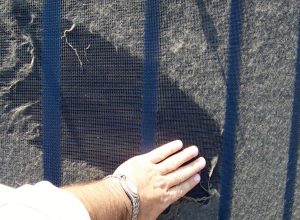 Air Solution Company’s Patented Cottonwood Air Intake Filter Screens keeps the air entering your HVAC&R Equipment clean.
Maintain the OEM design capacity & efficiency of your HVAC equipment, reduce the risk of expensive equipment failures caused by high head-pressure from the accumulation of airborne debris.
 Energy Optimization for Healthy Buildings
Save 10% on your energy bill without Retrofits. Money back guaranteed.
Poppy drives ventilation energy optimization across every indoor space type – including commercial, institutional, industrial and residential environments.
Poppy ESCO & Certify for Energy & Poppy Certify for Compliance & Health
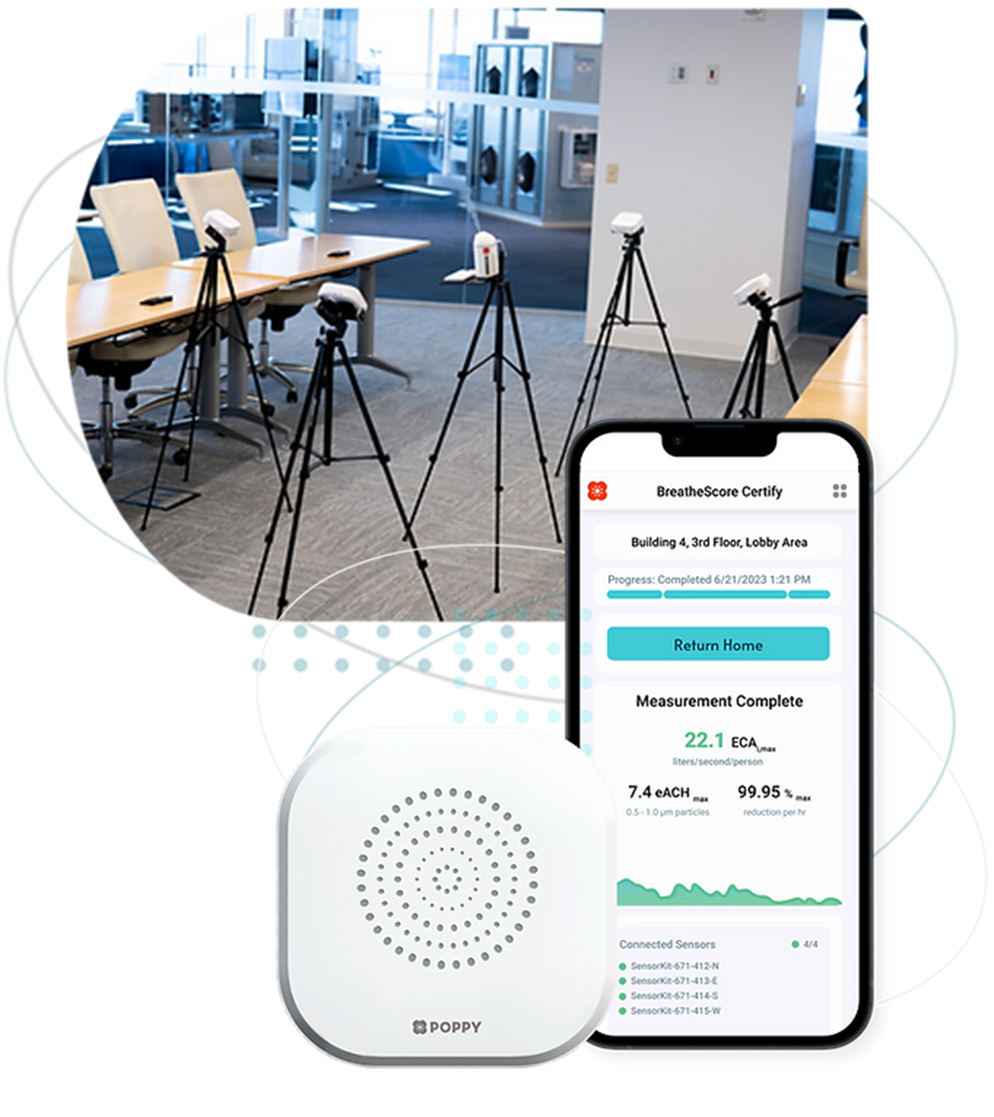 Poppy provides a no-risk, high-value solution for sustainable building performance.
REDUCE your energy bills. EXCEED your decarb goals. VERIFY healthy airflow.
Click here to learn more or contact us to schedule a no-risk assessment today.
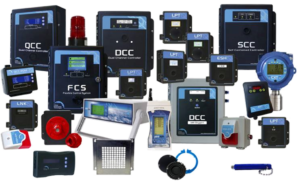
 IAQ Sensors & Energy Monitoring for Healthy & Efficient Buildings
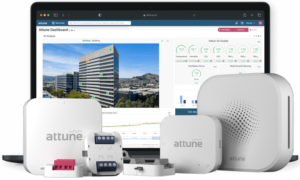 Continuous Real-Time Monitoring, Measurement & Verification of your Indoor Air Quality, Mitigation Strategies, Ventilation Rate & Energy Consumption
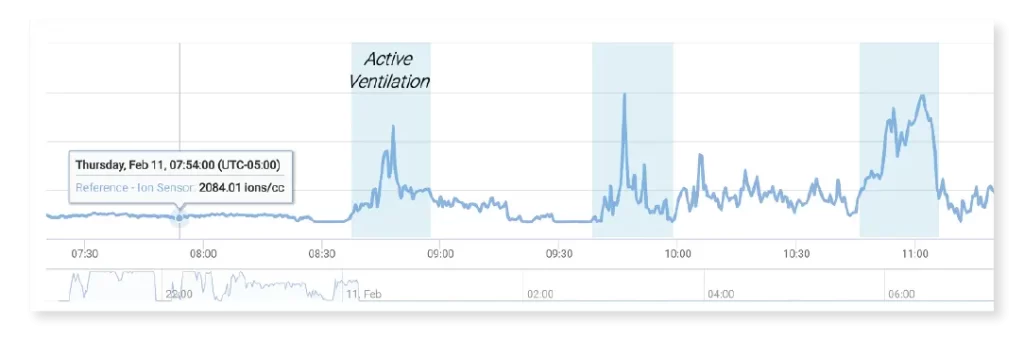
Tracking the Active Ventilation
Integrate Indoor Air Quality & Energy Efficiency in Buildings via Attune’s BACnet Server
including the Effectiveness of Bipolar Ionization & Air Health

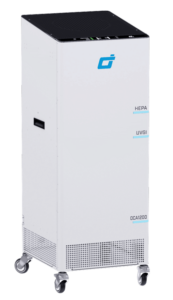
Airborne transmission is the primary route of viruses & other pathogens. Improving the Equivalent Clean Air Flow/Person (ECAi) in occupied spaces is a bigger determinant in controlling infectious aerosols, than increasing Outside Air via the HVAC system !
UV for every application

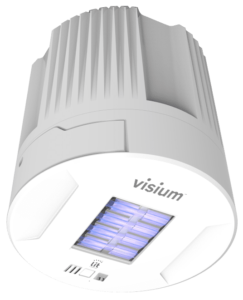

 Fan-Powered Upper Air UVGI & Far-UV Active Air Disinfection
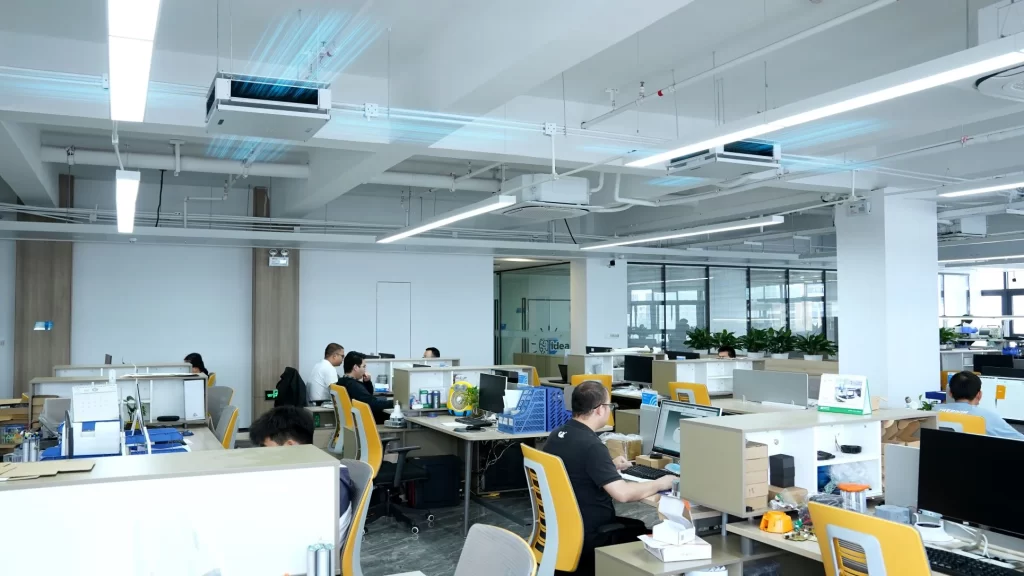
ECAi Fan-Powered Upper Room UVGI Air Disinfection
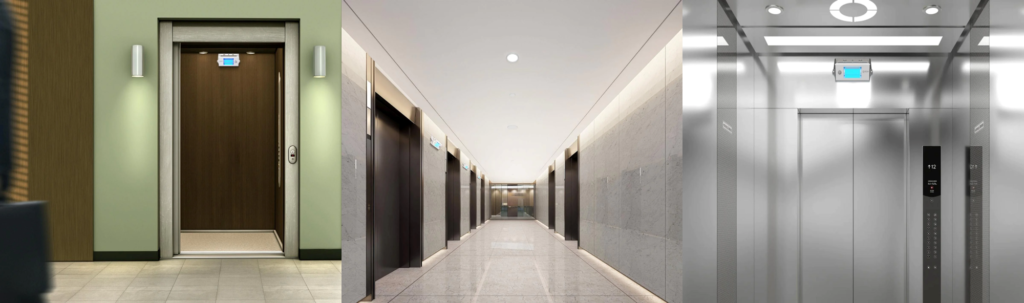
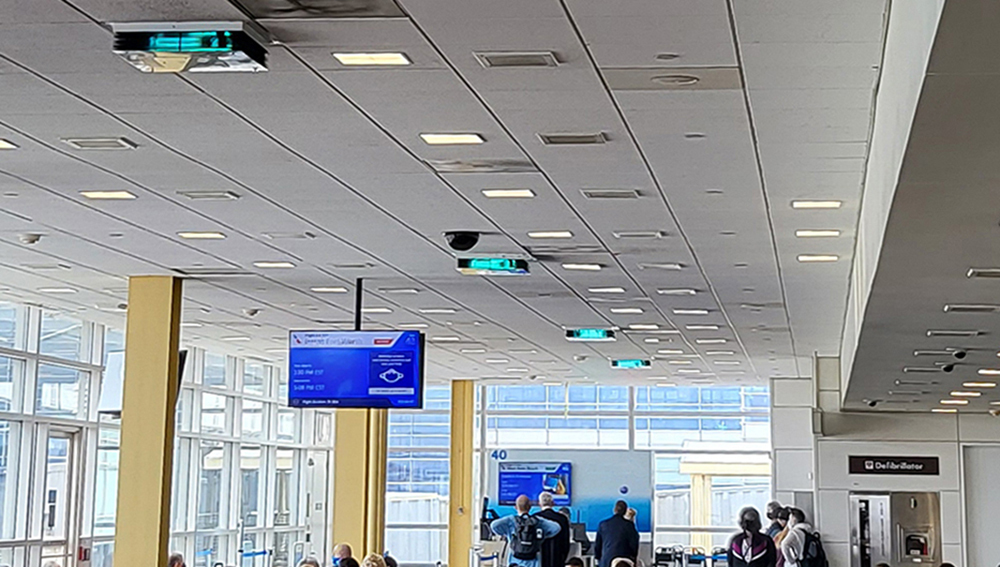
Filtered Far-UV Air Disinfection for Elevators & Lobbies throughout the Breathing Zone
Adds Equivalent Clean Airflow (ECAi) without increasing the OA
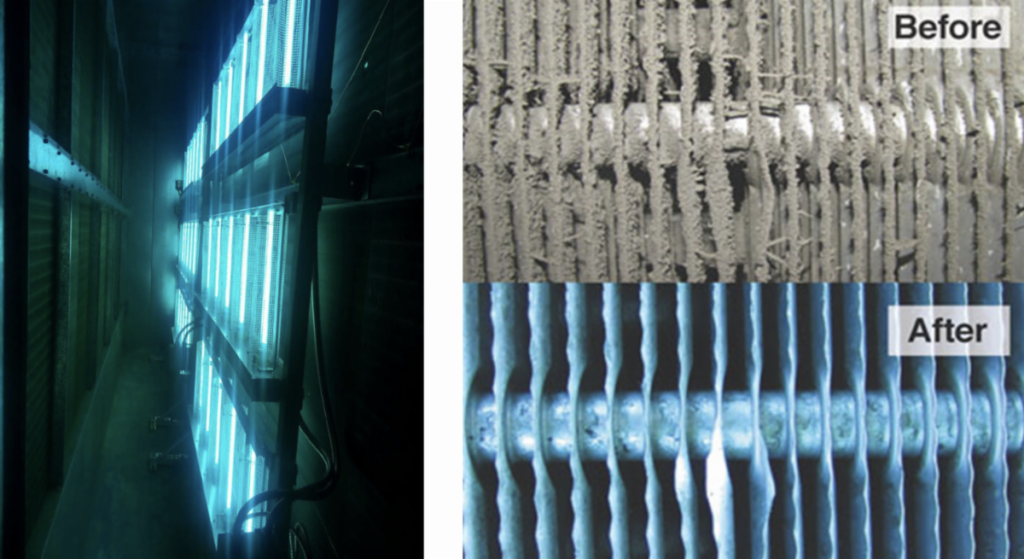
 UVGI Air & Surface Disinfection
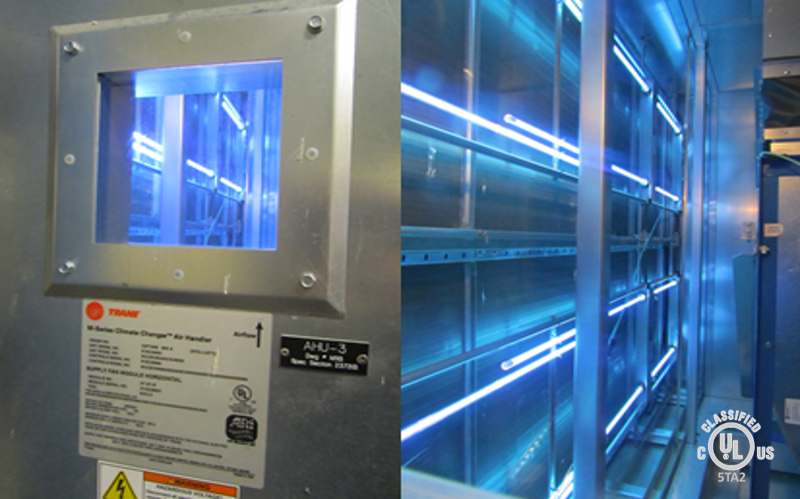
UVC-Coil Disinfection-of-3-50,000-cfm-Trane-AHUs-for-Medical-Office-Building
for HVAC Applications in AHUs & Ducts & Upper Room Air Disinfection

Upper Room UVGI Air Disinfection in Library